Cardiovascular Disease: The Leading Cause of Death in the United States
Cardiovascular Disease (CVD) is the leading cause of death in the United States.
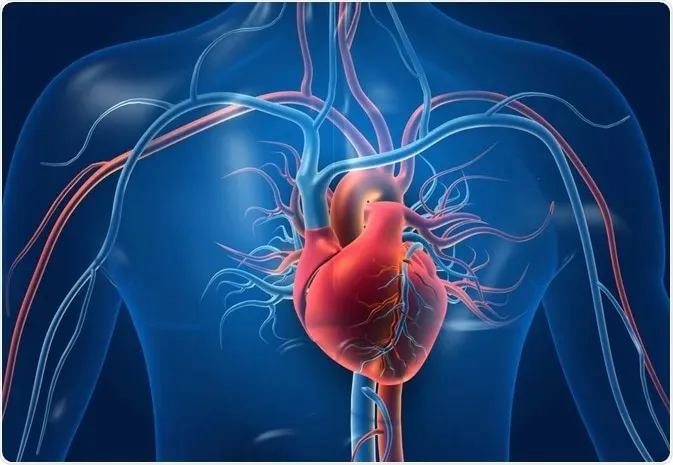
Since the 1950s, the leading cause of death in the United States of America has been cardiovascular disease (CVD)3, causing about one in every three to five deaths.5, 13 CVD is widely defined as a group of diseases affecting the heart and blood vessels; for example, blood vessel blockages, heart attacks, strokes, and arrhythmias.2 This disease kills more people annually than the combined quantity of people dying as a result of cancers or accidental deaths. Close to 2,500 people in the United States die every day due to heart disease and in 2022, the overall number of CVD-related deaths in the United States was 941,652, an increase of more than 10,000 deaths from the 931,578 cardiovascular-related deaths in 2021.9 Despite medical achievements, scientific advancements, and progress in treatment, cardiovascular disease remains a national public health crisis, in large part due to lifestyle factors, physiological predispositions, health inequalities, and overall systemic challenges in prevention.
Cardiovascular disease affects nearly half of all adults in the United States, but its impact is not evenly distributed across the country. While CVD is the leading cause of death for almost all racial and ethnic groups, there is a significant increase in CVD among people of color, specifically, for Non-Hispanic, Black people5. Cardiovascular disease is an equity issue that disproportionately affects Non-Hispanic, Black Americans and people with lower socioeconomic status. Research has shown that in the context of heart disease, Black men are 30% more likely to die than White men; largely attributed to the lack of preventative care and health literacy.11 Moreover, age strongly affects CVD. Research showed that adults ages 75 and older have the highest prevalence of heart disease (~24.2%) compared with younger age groups.4 Furthermore, there are regional disparities when considering CVD-related deaths. The southern region of the United States is the most heavily impacted by CVD and sees the largest number of CVD-related deaths, compared to other regions in the United States of America.12 These factors– such as race, socioeconomic status, sex, age, and geographical location– ultimately compound cardiovascular disease, transforming it from a medical issue into a broader social issue and public health crisis.
The issue of cardiovascular disease places a great burden on the public health of the United States. According to the Centers for Disease Control and Prevention (CDC), an estimated 127 million adults in the United States (~50%) have CVD.6 Furthermore, in addition to its responsibility for and effect on mortality rates in the United States, CVD also has a critical impact on the economy and financial costs. Cardiovascular disease puts a strain on the United States economy by increasing both medical costs and lost productivity. In the United States, CVD accounts for more than $400 billion per year in direct medical spending. Treating CVD, and related conditions, accumulates a large share of health care spending, and as medical advancements allow more people to live longer with CVD, these expenses are expected to rise.8
Despite the overwhelming magnitude of this issue, there are modifications for the known cardiovascular disease risk factors. CVD in the United States is strongly driven by modifiable risk factors such as tobacco use, poor diet, and lack of physical activity. These behavioral risk factors account for the majority of CVD cases and deaths, highlighting the preventable nature of the disease. Additional clinical factors such as high blood pressure, elevated cholesterol, obesity, and diabetes cause an increased risk towards cardiovascular disease.7 Furthermore, social determinants of health such as low socioeconomic status, neighborhood deprivation, limited access to healthcare, and experiences of discrimination are non-physiological or behavioral risk factors that have demonstrated an increase both in incidence and mortality from CVD.1
When looking at the trend of cardiovascular disease over the last 50 years, it is notable that there has been an overall decline in heart attack-related mortality. This decline can be attributed to medical advancements such as improved emergency care, new medications, and refined diagnostic tools. Though there has been a decrease in death from heart attacks, CVD-related mortality from other cardiovascular conditions has exhibited an increase. This redirection has been attributed to the medical progress that has been made which allows people to survive heart attacks and live longer with subsequent chronic CVD.10
As the leading cause of morbidity and mortality within the United States, cardiovascular disease is a significant public health issue. At the most extreme end, CVD is largely responsible for fatalities; however, even surviving with CVD causes poor quality of life and significant financial burdens. Cardiovascular disease is also a preventable public health issue. In addition to its physiological causes and predispositions, health literacy, health care access, and health awareness in all ethnic and racial communities play large roles in the number of lives taken by CVD each year. Having a larger emphasis on health literacy and increased health care access and awareness are non-invasive and non-biological ways to improve CVD prevention.
References
1. Bazoukis, G., Loscalzo, J., Hall, J. L., Bollepalli, S. C., Singh, J. P., & Armoundas, A. A. (2025, March 4). Impact of Social Determinants of Health on Cardiovascular Disease. Journal of the American Heart Association. https://pubmed.ncbi.nlm.nih.gov/34397464/
2. Cardiovascular Disease. Cleveland Clinic. (2022, September 1). https://my.clevelandclinic.org/health/diseases/21493-cardiovascular-disease
3. Centers for Disease Control and Prevention. (2024a, August 5). Heart Disease Deaths - Health, United States. Centers for Disease Control and Prevention. https://www.cdc.gov/nchs/hus/topics/heart-disease-deaths.htm
4. Centers for Disease Control and Prevention. (2024b, August 5). Heart Disease Prevalence - Health, United States. Centers for Disease Control and Prevention. https://www.cdc.gov/nchs/hus/topics/heart-disease-prevalence.htm
5. Centers for Disease Control and Prevention. (2024c, October 24). Heart Disease Facts. Centers for Disease Control and Prevention. https://www.cdc.gov/heart-disease/data-research/facts-stats/index.html
6. Coronado, F., Melvin, S. C., Bell, R. A., & Zhao, G. (2022, December 8). Global Responses to Prevent, Manage, and Control Cardiovascular Diseases. Centers for Disease Control and Prevention. https://www.cdc.gov/pcd/issues/2022/22_0347.htm
7. Ghodeshwar, G. K., Dube, A., & Khobragade, D. (2023, July 28). Impact of Lifestyle Modifications on Cardiovascular Health: A Narrative Review. PubMed. https://pubmed.ncbi.nlm.nih.gov/37641769/
8. Joynt Maddox, K. (2024, August 5). Health Economics of Cardiovascular Disease in the United States. PubMed. https://pubmed.ncbi.nlm.nih.gov/39102477/8
9. Lewis, C. (2025a, January 27). Heart Disease Remains Leading Cause of Death as Key Health Risk Factors Continue to Rise. American Heart Association. https://newsroom.heart.org/news/heart-disease-remains-leading-cause-of-death-as-key-health-risk-factors-continue-to-rise
10. Lewis, C. (2025b, June 25). Still Top Cause of Death, the Types of Heart Disease People Are Dying From is Changing. American Heart Association. https://newsroom.heart.org/news/still-top-cause-of-death-the-types-of-heart-disease-people-are-dying-from-is-changing
11. Petrow, S. (2023, April 15). Black Men Face Many More Health Hurdles. An Expert Discusses Why. The Washington Post. https://www.washingtonpost.com/wellness/2023/04/15/black-men-health-problems-disparities/
12. USAFacts. (2024, January 4). Heart Disease Causes One in Five American Deaths. https://usafacts.org/articles/how-many-people-have-heart-disease/