What Can We Do About Ingesting Plastic?
Plastic is everywhere and ingesting it is almost inevitable, what do we do?
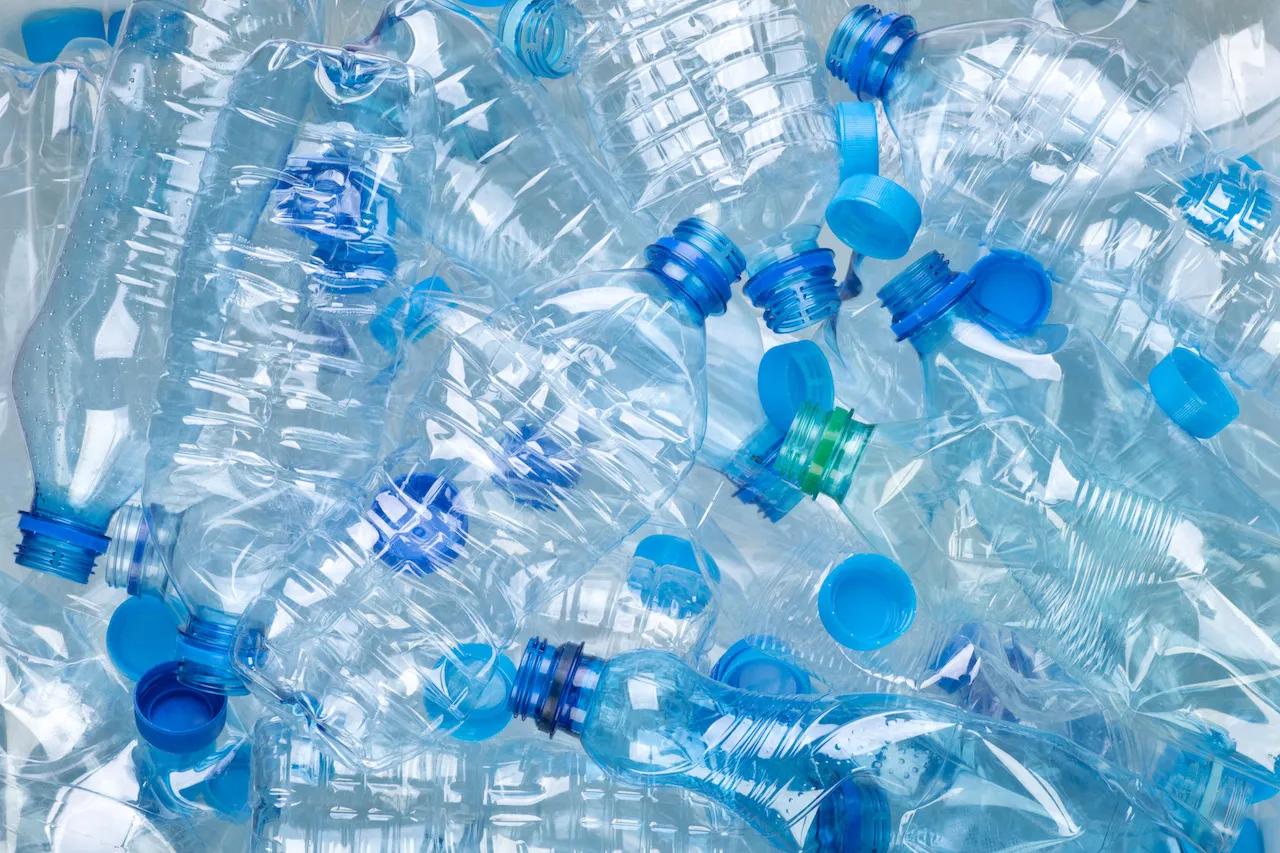
By now, it is essentially common knowledge that plastics can be harmful to our bodies. Though scientists disagree on just how much plastic we consume, a popular statistic often brought up is that, on average, we ingest about a credit card’s worth of microplastics per week (Senathirajah et al., 2021). Just picture how ridiculous it would be to eat an entire credit card! Well, do not crack up too hard. We are not far from it. Despite the limitations in research regarding the health implications of ingesting plastics, these statistics should intuitively sound alarms in our heads.
According to Dr. Desiree LeBeaud, quoted in journalist Katia Savchuk’s article in Stanford Medicine’s News Center, the sheer ubiquity of plastics is the primary obstacle of researching their adverse health effects: Randomized control trials are nearly impossible to conduct because everyone already has some amount of plastics in them; contamination is a common attributor to this issue because many lab tools themselves are made of plastic; and the miniscule size of micro and nano plastics make it nearly impossible, given the current technology, to get accurate measurements of their presence (Savchuk, 2025).
Still, with the research that exists as of now, it is safe to say that the rampant ingestion of plastics is doing the body no good. However, eliminating the ingestion of plastics is out of reach for most people. After all, plastic products are incredibly effective and convenient. Therefore, the most practical question to ask is, what are the easiest and most impactful ways to reduce the consumption of plastics?
I would argue that the easiest changes that create the largest impact can be found by identifying which factors significantly increase the chances of ingesting plastic. Dr. Kara Meister, also quoted in Savchuk’s article, states that “Heat likely increases leaching,” and that “Wear and tear may also increase exposure to particles.” Thus, food and kitchen-related items may be the point of greatest leverage to reduce plastic intake for most people. First, items that are heated up could be replaced by non-plastic alternatives. For example, plastic containers with glass containers, plastic cooking utensils with wooden ones, and Teflon pans with metal or ceramic alternatives, to name a few. Next, degraded plastic items should either be replaced with new ones or with non-plastic alternatives altogether. Due to the nature of a cutting board’s function, buying a wooden one is probably the best bet; plastic utensils could be replaced with wooden or metal alternatives; and tableware could be replaced with any of the myriad non-plastic tableware materials.
There is almost no escaping the use of plastics. Thus, while it is understandable to be concerned about their adverse health effects, there is no use in panicking because plastic is everywhere. However, policymakers and many countries are pushing towards a more conscious usage of them. Moreover, there are small actions that can be taken to minimize our ingestion of them, which will plausibly reduce their negative effects on our health. Indeed, there is a surprising amount that can be done to reduce the ingestion of and contribution to plastic waste. Each day, lawmakers, scientists, and everyday individuals are doing the best they can to improve individual health and the world at large. This job is not exclusive to those in policy or high-up in education, it is a duty of each person as well to contribute to this collective effort.