Fabry’s Disease and a Physician's Associated Research
Over the summer, I shadowed Dr. Madeleine Pahl and was introduced to her specialized area of research.
This past summer, I had the amazing opportunity to shadow Dr. Madeleine Pahl at UC Irvine Medical Center in Orange, California. Dr. Pahl specializes in both nephrology and internal medicine, and from our very first meeting, her energy and charisma filled every room she entered. Watching her interact with patients, nurses, and doctors alike was incredibly inspiring, it was the kind of experience that reminded me why I want to pursue medicine in the first place.
Every day brought new lessons. Between patient appointments, Dr. Pahl always made time for my questions, no matter how basic or complicated they were. She encouraged curiosity, whether I wanted to understand how the clinic operated, how to communicate effectively with patients, or the complex functions of the kidneys, she always answered thoughtfully and engagingly. During slower moments, we would sit together at her desk, reviewing patient lab results. She explained which numbers mattered most depending on the condition, and how small changes in certain results could reveal bigger underlying problems.
One of the things that stood out most to me was how deeply personal her approach to medicine was. About a third of her patients were primarily Spanish speaking, and it was amazing to see her seamlessly switch languages while maintaining her warmth and personality. Watching her connect with patients across cultural and linguistic barriers showed me the real importance of learning another language in medicine, it’s not just about translation, but about building trust and understanding.
One day, we had a rare extended break when a patient appointment was cancelled. Instead of taking the time off, Dr. Pahl decided to turn it into a learning opportunity. The patient who had cancelled was being treated for a rare condition called Fabry’s Disease, and Dr. Pahl shared one of her research studies related to it.
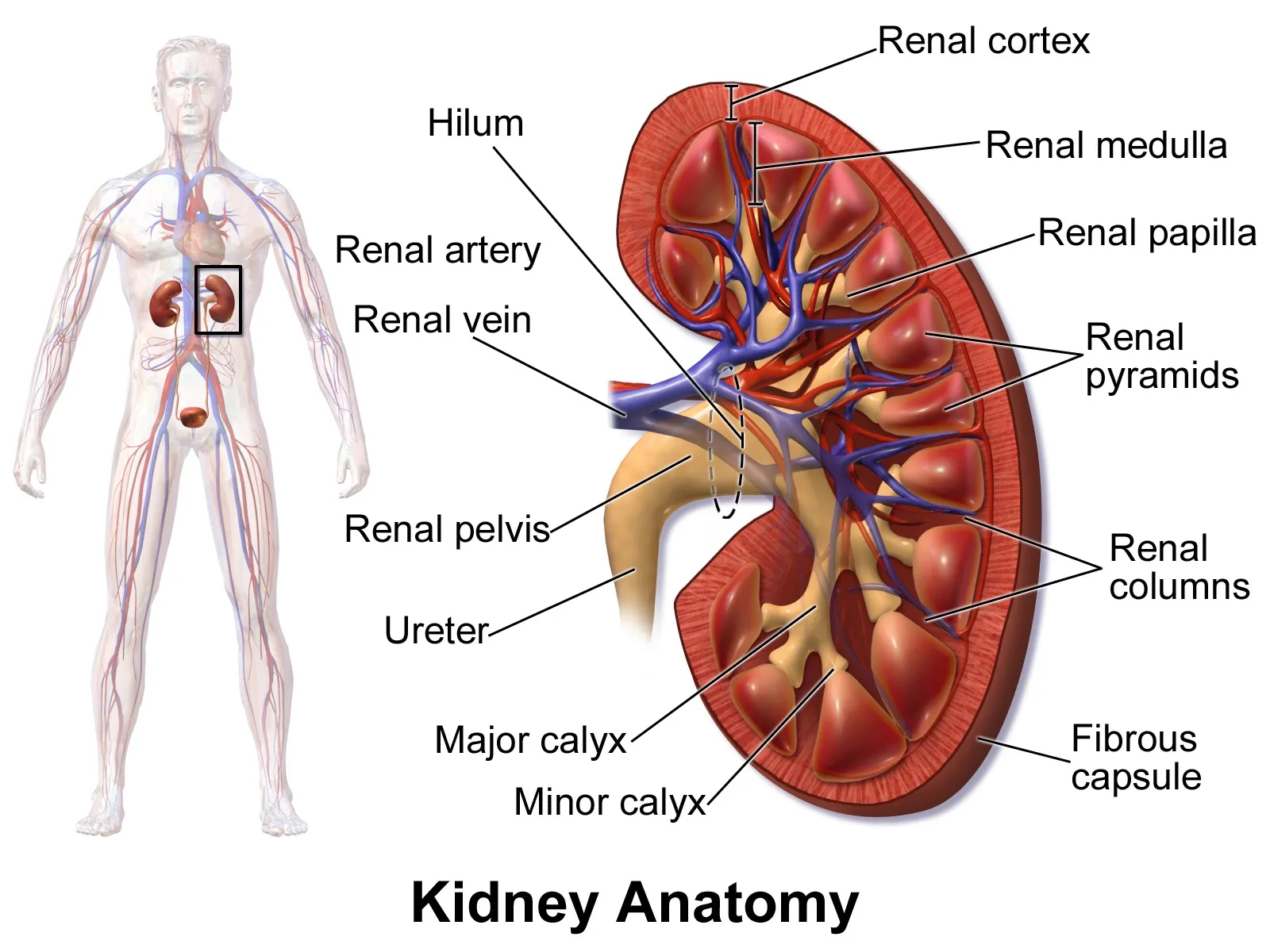
She began by asking me if I knew anything about Fabry’s Disease, which, admittedly, I didn’t. She then explained that although it’s not strictly a kidney disease, it significantly affected the kidneys due to the way it disrupts the body’s normal filtration processes. The disorder occurs when the body lacks an enzyme called alpha-galactosidase, which is responsible for breaking down certain fatty substances known as sphingolipids. Without this enzyme, these fats build up in the cells, especially in the kidneys, heart, and nervous system, eventually leading to organ damage.
Fabry’s Disease is classified as a lysosomal storage disorder, and it’s genetic,linked to the X chromosome. Statistically, about 1 in 40,000 men are born with the classic form of Fabry’s Disease, while 1 in 1,500 to 4,000 men develop the later-onset version, which appears later in life.
Dr. Pahl showed me part of a research project she was involved in, a multi-center, long-term follow-up (LTFU) study of patients who had received an experimental treatment called ST-920 in a previous clinical trial. At the end of that parent study, participants were invited to continue into this LTFU phase. The study follows patients for up to five years after their infusion, monitoring long-term safety and outcomes. I found it fascinating how much care and structure goes into clinical research, not just the science, but also the ethics and patient communication behind every step.
By the end of my shadowing experience, I realized how much more there is to medicine than what can be learned from textbooks. Watching Dr. Pahl care for her patients, teach students, and conduct research showed me that being a good doctor means balancing science with compassion. This summer didn’t just deepen my understanding of medicine, it reinforced my desire to become part of a field that constantly challenges, educates, and inspires.