What is it like to be an EMT?
Kayla talks about what its like the be an EMT.
Disclaimer: cases are made up as to obey the rules of HIPAA
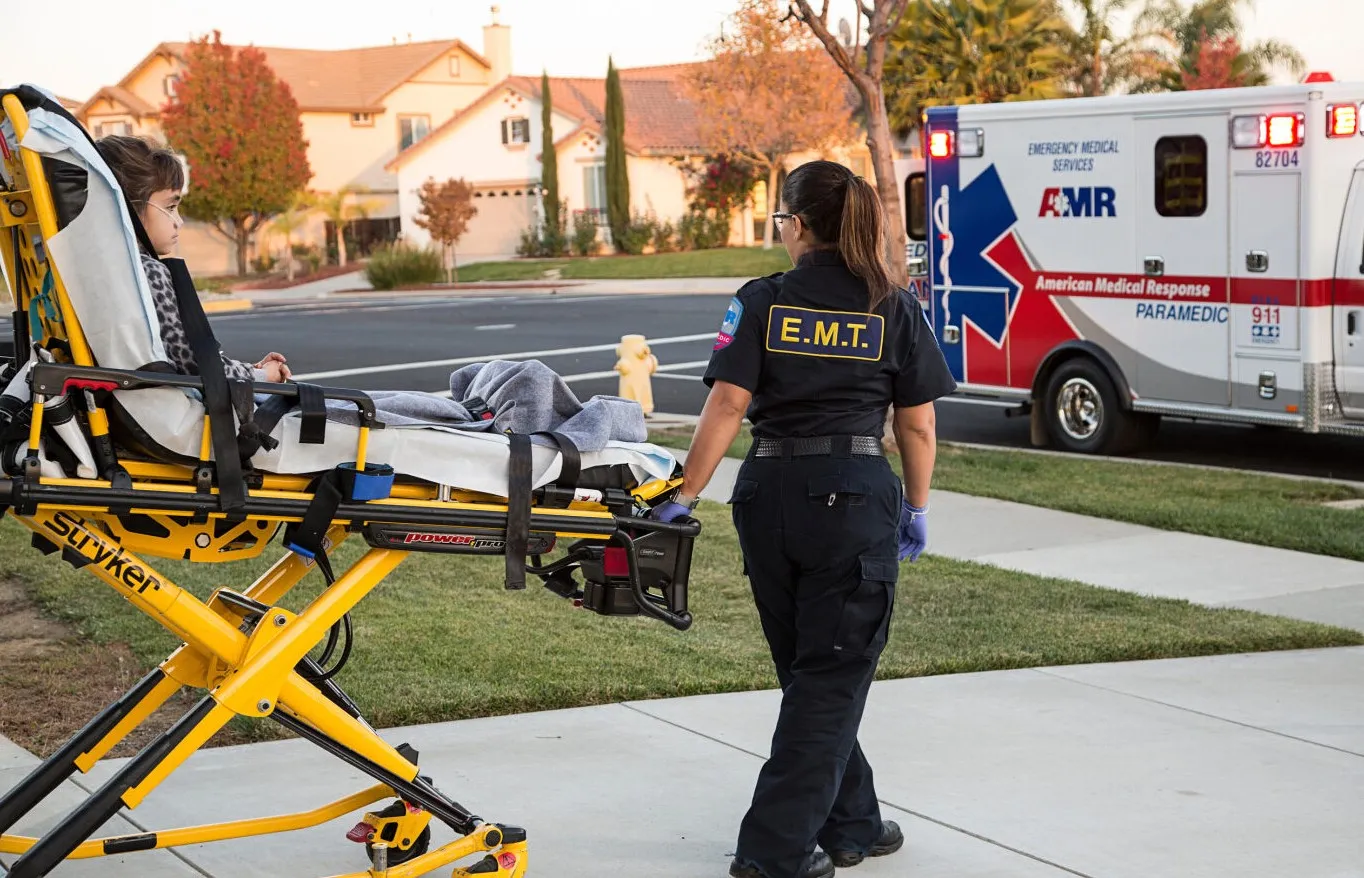
When I–someone with the dream of a profession in the medical field–was made aware of an Emergency Medical Technician (EMT) certification course at my high school, I knew that I wanted to take it. Becoming an EMT allowed me to begin immersing myself in an area of study that I loved and was passionate about, and it gave me the opportunity to help others in the medical realm. When I was a junior in high school, I took the course and later obtained my certification as an EMT at both the national and state levels.
Throughout this most recent summer, I worked as an EMT for a private ambulance company. The majority of my shifts ran for a duration of 12 hours and I would usually have about five calls per shift. Our calls would vary constantly and each day brought a surprise. That is the one constant within the Emergency Medical Services (EMS) field: surprise. In a field as fast-paced as this, change is inevitable and unpredictability is approached with grace. With that being said, the skeleton of each day on shift looked the same. Join me for an average day in the life of an EMT.
I wake up at around 5:45 and prepare for the day. I wash up, put on my uniform, and then pack my bag for the day. An average day on the ambulance for me is about 12 hours, so I make sure to bring a filling and nutritious lunch as well as snacks and lots of water. In my bag, I also like to include extra pens and Post-its for taking notes and keeping track of vital signs and other pertinent information. I also always bring my headphones and extra chargers because sometimes there is some downtime while we are waiting for calls and I like to keep busy by listening to music and podcasts.
6:30 am: I leave my house at around 6:30 and stop to get coffee on the way. Early mornings are hard, but they are made much easier with a consistent routine and a little treat.
At 6:45, I arrive at the station and clock in. Punctuality is a crucial aspect of the job as an EMT, so I like to ensure that I am prepared to start my shift without a rush.
7:00 am: Once my other crew member arrives and clocks and the night crew returns our ambulance to the station, it is about 7:00. We then get on the ambulance and do our routine inspection of the rig. We check to make sure that the oxygen—on board and portable ones— are full and we do a check of our medical equipment inventory. Some of the aspects of our once-over are checking that our medications are up to date, that our trauma bag is full and prepared to be used if needed, that our airway equipment is plentiful in multiple sizes, and that we have sheets for the stretcher. We also check the mileage on the ambulance and ensure that the gas tank is full.
7:30 am: After our check of the ambulance, we hop on the radio and let dispatch know that we are “up and on”. We also ensure to give our rig number, so that all of our paperwork will be synched properly and that we will revive the proper patient information when we get a call.
At 8:00 our first call comes in. We are directed to an assisted living facility to transport a 79-year-old female to a scheduled gastrointestinal appointment at a nearby hospital.
8:30 am: We arrive at the facility at 8:30 and call dispatch to let them know that we have arrived and are on scene. We then take the stretcher off of the rig and enter the facility. In advance of our arrival, we are given pertinent information on the patient such as their name, previous medical conditions, and room number, so we know where to go when we arrive. Once entering the facility, we first make sure to talk to the nursing staff and get paperwork from them. Next, we go to the patient, take her vital signs, and transport her onto our stretcher. We check back in with the nurse and clarify any information on the patient and her appointment and then we head outside and put the stretcher back on the rig. While en route to the hospital, I take two more sets of vital signs and begin to fill out the paperwork for the call.
9:00 am: At 9:00 we arrive at the hospital for our patient’s gastrointestinal appointment and we check her in. We stay with the patient for the duration of the appointment and get any important information from the doctor that needs to be relayed to the nursing staff at the facility. I also take the time to complete the paperwork for the call. When you have a call where you stay with the patient for an appointment (such as this call), it is policy to do two sets of paperwork because they are technically two different calls. We then check out of the hospital and get any necessary paperwork and then we leave the appointment. During the drive back to the facility, I also take a repeat set of vital signs.
10:30 am: By 10:30 we arrive back at the facility to return our patient. We transfer our patient from our stretcher and take a final set of vital signs. We also make sure to talk to her nurses and relay any important information from the doctor. We also ensure to get a signature from the nurse to signify our transfer of care.
11:00 am: After transferring the care of our patient, we return to the ambulance and tell dispatch that our call is completed. We then sanitize the stretcher and change the sheets. I also use the time to complete my second set of paperwork (for the transport back to the facility).
11:45 am: At 11:45 our second call comes in. We are directed to a hospital for the discharge of an 85-year-old male.
12:10 pm: We pull up to the hospital at 12:10 and contact dispatch to let them know that we have arrived on scene. We then take the stretcher off of the rig and enter the facility. In advance of our arrival, we are given pertinent information on the patient such as their name, reason for their visit, and room number, so we know where to go when we arrive. We first make sure to talk to the nursing staff and get paperwork from them. Next, we go to the patient, take his vital signs, and transport him onto our stretcher. We check back in with the nurse and clarify any information on the patient and get a signature from her. Then, we head outside and put the stretcher back on the rig and return to the facility.
By 12:45, we arrive back at the facility to return our patient. We transfer our patient from our stretcher and take a final set of vital signs. We also make sure to talk to his nurses and relay any pertinent information from the doctor. We also make sure to get a signature from the nurse to signify our transfer of care.
1:10pm: After transferring the care of our patient, we return to the ambulance and tell dispatch that our call is completed. We then sanitize the stretcher and change the sheets. I also use the time to complete my paperwork and eat lunch.
At 2:15 our third call comes in. We are directed to a nursing facility to transport a 78-year-old male to a routine dialysis appointment.
2:45 pm: We arrive at the nursing facility at 2:45 and call dispatch to let them know that we have arrived and are on scene. We then take the stretcher off of the ambulance and enter the facility. In advance of our arrival, we are given the patient’s name and room number, so we know where to go when we arrive. We first make sure to talk to the nursing staff and get paperwork from them. Next, we go to the patient, take his vital signs, and transport him onto our stretcher. We check back in with the nurse and clarify any information on the patient and his dialysis appointment and then we head outside and put the stretcher back on the rig. While en route to the hospital, I take two more sets of vital signs and begin to fill out the paperwork for the call.
At 3:30, we arrive at the dialysis facility for our patient’s routine dialysis appointment and we check him in. We stay with the patient until his care gets transferred to the dialysis facility staff. Once we transfer care, we get a signature from the staff and then we head back out to the rig.
At 4:00, we get back on the ambulance and let dispatch know that our call was completed. While on the rig, we sanitize the stretcher and change the sheets. I also use the time to complete the paperwork for the patient. My partner and I also discuss the cases from the day and anything that should be added to the reports.
At 5:00, a new call comes in for transport to the emergency room. We are called to an assisted living facility to bring an 86-year-old man to the emergency room (ER) for progressive vomiting and dizziness.
At 5:30, we arrive at the facility and call dispatch to let them know that we are on scene. We then take the stretcher off of the rig and enter the facility. In advance of our arrival, we are given pertinent information on the patient such as their name, past medical history, medications, and room number, so we know where to go when we arrive. We first make sure to talk to the nursing staff and understand what the situation is. Because it is an ER call, we also get extra information such as the length of time that the patient has been experiencing this, last oral intake, length of time consistently in the facility, and if there are any emergency contacts that will meet us. We also make sure to get paperwork from the nursing staff and the nurse’s most recent set of vital signs. Next, we go to the patient, take our own set of vital signs, and transport him onto our stretcher.
At 6:00, we get back on the ambulance and I take another set of vital signs. As we are en route to the hospital, I call the emergency room and give them a pre-notification (pre-note). A pre-note is a call to the emergency room in advance of an arrival where the EMS team explains the case and what is happening with the patient. We include information such as the patient’s vital signs, past medical history, last oral intake, current situation, any measures that have been taken, and any medications. This allows the ER staff to prepare for the arrival of the patient.
6:45 pm: We arrive at the hospital at 6:45 and take the patient into the ER. Once inside, we check the patient in and speak to the nursing staff. We then wait with the patient until there is an open room. Once there is an open room, we transfer the care of the patient to the hospital staff. We also ensure to get a signature from them to signify the transfer of care.
At 7:30, we get back onto the ambulance and let dispatch know that our call was completed. While on the rig, we sanitize the stretcher and change the sheets. I also use the time to complete the paperwork for the patient. Dispatch then calls us and tells us to return to the station and that we are done with calls for the day.
At 8:00 pm, we return to the station and make sure to clean the ambulance both on the inside and the outside. We then go inside the station and take the time to look over all of the paperwork and submit it.
At 8:30, I clock out and go home for the night. Thank you for spending the day with me as an Emergency Medical Technician. I adore my job as an EMT and being a part of the EMS field. It is never boring and the learning truly never stops.